
How Deepfake Scam Ads Use Brands and Executives
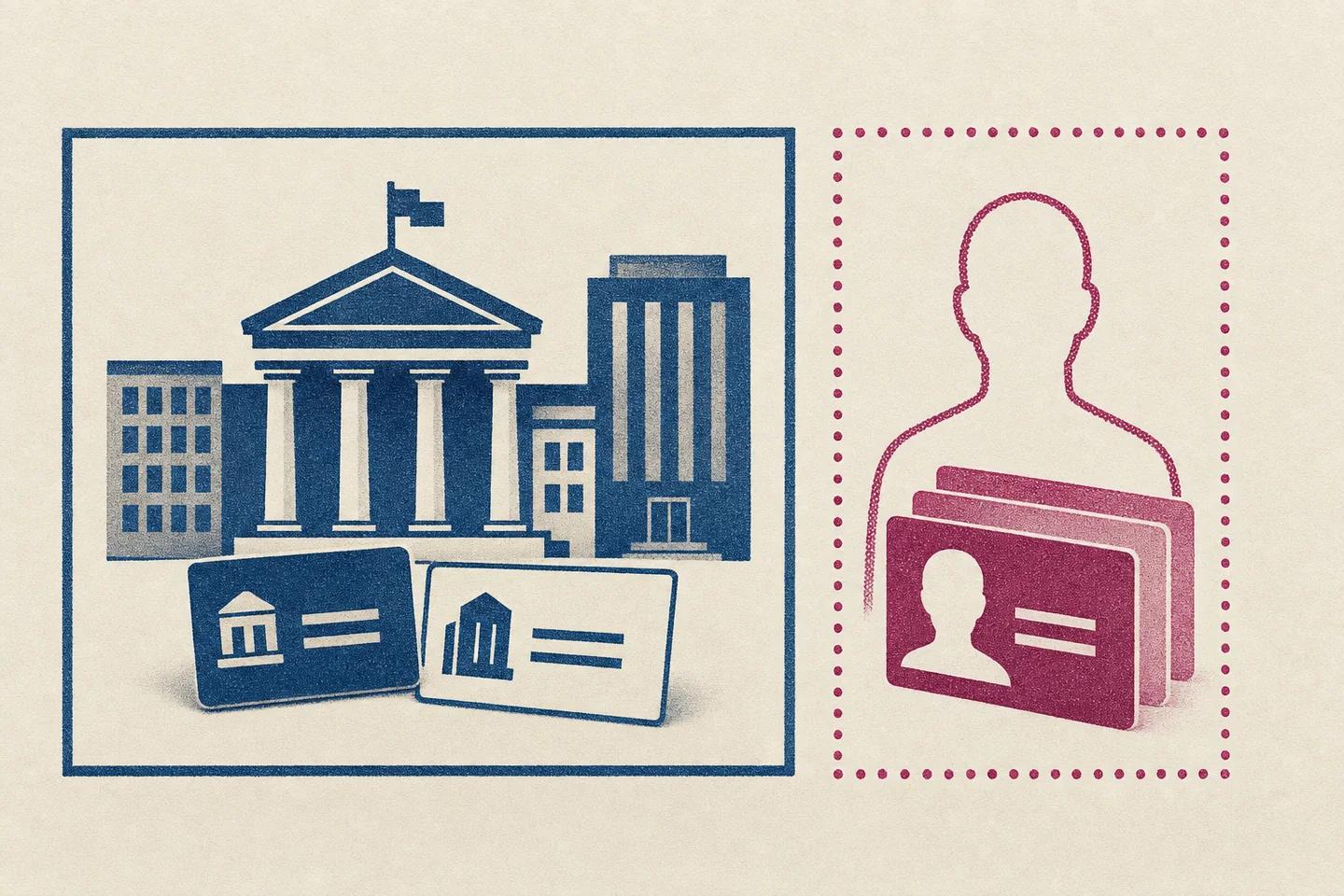
The common pattern is a paid ad or sponsored post that shows a well-known person, often a company founder, a chief executive or a celebrity, apparently endorsing an investment scheme, a giveaway or a heavily discounted product. The face and voice are cloned from public interviews and earnings calls. The link leads to a page that collects payment details or deposits. Victims blame the brand whose leader appeared in the ad, and the brand often learns about it from angry customers.
A second pattern copies the brand itself: lookalike ads with the company's logo and product shots, sometimes with an AI-generated presenter, pointing to a counterfeit store or phishing page. A third risk sits inside legitimate marketing, when agencies or tools generate or alter a real person's likeness for a campaign without clear consent.

What Platforms and Regulators Are Doing
Meta announced on 21 October 2024 that it was testing facial recognition technology to detect and prevent celeb-bait ads that misuse public figures' likenesses. In an update dated 28 September 2025 it said that, in the first half of 2025, user reports of celebrity-bait ad scams as a share of total ad impressions fell 22% globally, that the expanded system more than doubled the volume of such ads it detected and removed in testing, and that nearly 500,000 public figures were protected. It has extended the measures to the UK, EU and South Korea.
In the US, the FTC's Trade Regulation Rule on Impersonation of Government and Businesses took effect on 1 April 2024. It lets the FTC go to federal court to seek civil penalties and money for harmed consumers from scammers who impersonate businesses. Announcing the rule, the FTC said reported losses to government and business impersonation topped $1.1 billion for the year, more than three times the 2020 level.
Controls for Ad Platforms and Agencies
Ad platforms and agencies sit at the point where a deepfake ad can be stopped before anyone sees it. The controls stack:
- Verify advertisers: confirm the business and the person behind the account, and repeat the check when payment methods or account owners change.
- Screen creatives for synthetic faces and voices, prioritising ads that show recognisable people or financial offers.
- Match faces in finance and giveaway ads against a protected list of public figures who have enrolled or complained.
- Check destinations: new domains, lookalike brand URLs and pages that ask for deposits deserve extra review.
- Keep likeness consent records for any AI-generated or AI-altered spokesperson in legitimate campaigns, including the scope and duration of consent.

How Should a Company Respond to a Deepfake of Its CEO or Brand?
Act in a fixed order: preserve, document, report, correct and monitor. Speed matters, but a takedown request backed by evidence moves faster than an angry email, and a public statement made before the facts are clear can amplify the fake.
Preserve the ad or video first: screenshots, the file if it can be downloaded, the advertiser name, ad library entries, URLs and landing pages. Then document it forensically so you can show the platform, your board and any regulator why you say it is fake. Report it through the platform's impersonation or scam ad channels with that evidence attached, and report fraud to the relevant authority, such as the FTC in the US. Publish a short correction on channels you control, such as your website and verified social accounts, stating that the endorsement is fake and how customers can reach you safely. Brief customer support and sales so they give the same answer. Finally, monitor for re-uploads and new variants, which usually follow.
| Step | Owner | Output |
|---|---|---|
| Preserve | Brand protection or security | Captured ad, file, advertiser details, URLs, timestamps |
| Document | Security with a forensic tool | Forensic report showing where manipulation appears and with what confidence |
| Report | Brand protection and legal | Platform takedown requests and fraud reports with evidence attached |
| Correct | Communications | Short statement on official channels; support team script |
| Monitor | Brand protection | Watch list for re-uploads and new variants |

Where Detection Helps Brand Protection and Where It Does Not
Forensic detection gives a brand proof it can hand to a platform or court, and screening at ad review can block the most obvious fakes before they run. It does not stop a scam that uses a real but misleading clip of an executive, a convincing logo without any person in it, or an influencer genuinely paid by a fraudster. Short, compressed ad videos also give detectors less to work with, so some fakes will be graded inconclusive and need other evidence, such as the advertiser's history and the destination page.
Brands cannot screen ads on platforms they do not run. Their realistic goals are faster discovery, better evidence and quicker takedowns, combined with clear public statements about how genuine offers are made.
How Neural Defend Supports Brand and Ad Teams
NeuroDetect is Neural Defend's forensic media workspace. A brand protection or security analyst uploads the suspect ad video, image or audio into a case. The analysis keeps model and version context and shows the original alongside explainability heatmaps and attention views, down to the face regions, frames and audio segments that carry signs of manipulation. An LLM-assisted summary explains the findings in plain language linked to the evidence; the analyst makes the final call. The case exports as a forensic report with observations, uncertainty, provenance, model context and analyst notes, ready to attach to a takedown request.
Ad platforms and agencies that need to screen creatives at volume can use NeuroVerify, which checks a face image, video or audio in one API call and returns six signals, including Face Manipulation Detection, AI Generative Model Analysis and AI Content Compliance, in under 200 ms at p95 on eligible image requests. Neural Defend ranked first of 36 systems on the public VendorBench-100 benchmark of adversarial still images, with an MCC of 0.876 against 0.646 for the next-best vendor.
Evidence boundary
Limitations
- Detection does not catch real but misleading clips, logo-only impersonation or genuine influencers paid by fraudsters.
- Short, compressed ad videos give detectors less signal, so some results will be inconclusive.
- Brands cannot screen ads on platforms they do not run; their levers are monitoring, evidence and takedown requests.
- Platform figures cited here are self-reported by Meta, and legal options vary by jurisdiction; this page is not legal advice.
Source record
Sources and references
- MetaTesting New Ways to Combat Scams and Help Restore Access to Compromised AccountsPublished October 21, 2024. Verified October 19, 2026.
- Federal Trade CommissionFTC Announces Impersonation Rule Goes into Effect TodayPublished April 1, 2024. Verified October 19, 2026.
- OfcomDeepfake Defences: Mitigating the Harms of Deceptive DeepfakesPublished July 23, 2024. Verified October 19, 2026.
- American Medical AssociationAI-Generated Deepfakes: Key Policy Principles and Proposed ProtectionsVerified October 19, 2026.
- arXivVendorBench-100: A Unified Cross-Paradigm Benchmark for Deepfake Image Detection (v2)Published July 29, 2026. Verified October 19, 2026.