What does the FTC impersonation rule prohibit, and how does it apply to AI scams?
The Trade Regulation Rule on Impersonation of Government and Businesses was published at 89 FR 15030 on 1 March 2024 and took effect on 1 April 2024. Its text is short. Section 461.2 makes it an unfair or deceptive practice to materially and falsely pose as a government entity or officer, or to materially misrepresent affiliation with, endorsement by or sponsorship by one, in or affecting commerce. Section 461.3 applies the same two prohibitions to businesses and their officers.
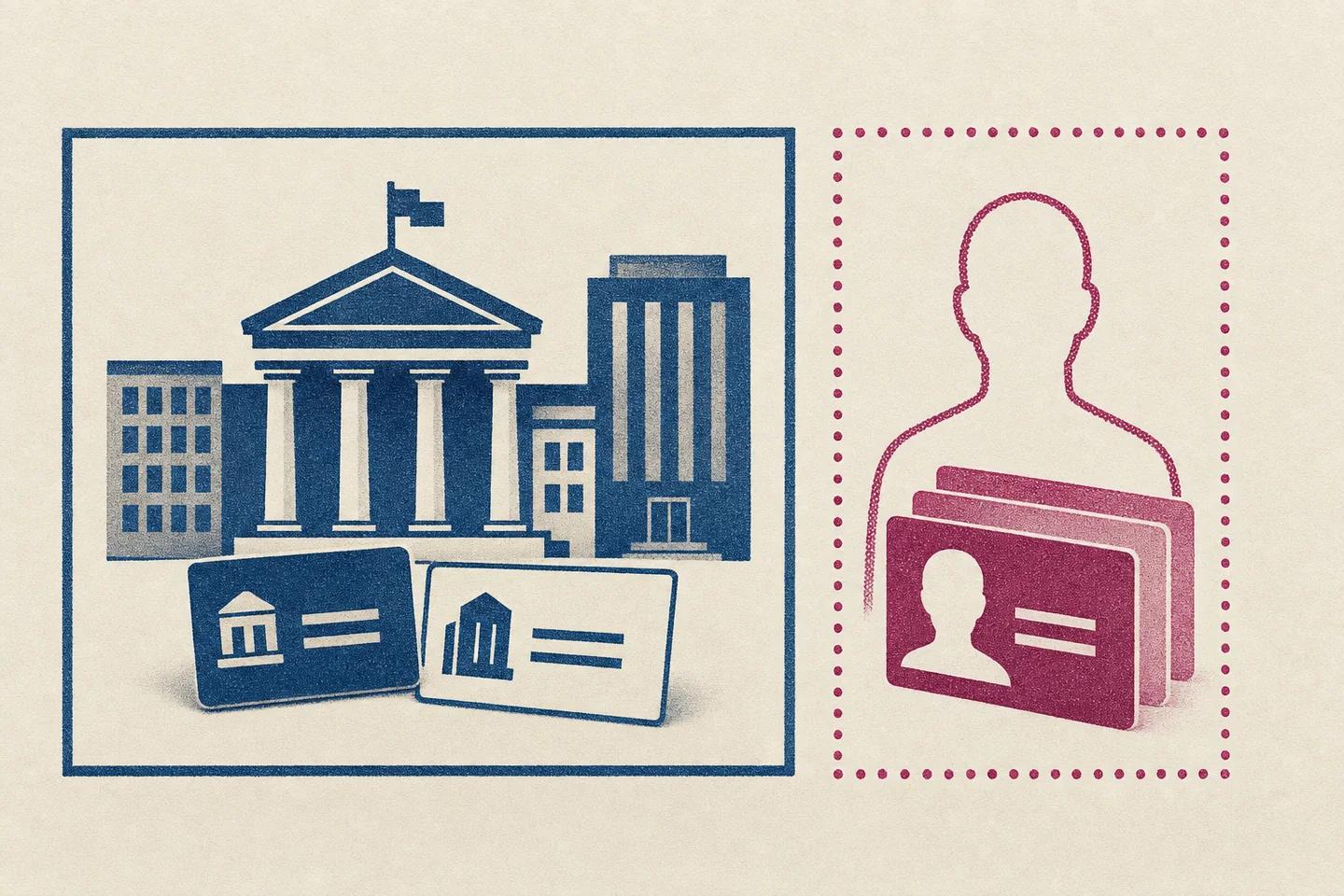
The definitions do the work for deepfake cases. "Business" includes not-for-profit entities. "Officer" includes executives, officials, employees and agents. "Materially" means likely to affect a person's choices or conduct regarding goods or services. So a cloned voice of a bank's fraud team, a deepfake video of a CEO endorsing an investment scheme, or a synthetic Social Security official on a video call can all fall within the rule. The rule never mentions AI; the medium does not matter, only the false representation.
The FTC's February 2024 announcement tied the rule to AI directly. Then-Chair Lina Khan said fraudsters were using AI tools to impersonate individuals with eerie precision and at a much wider scale, and cited voice cloning, which is why the agency proposed extending the rule the same day.
| Scam pattern | Who is impersonated | Covered by the rule in force? |
|---|---|---|
| Cloned voice of a bank's fraud department asking for a transfer | Business and its employees | Yes, section 461.3 |
| Deepfake video of a company CEO promoting a crypto scheme | Business officer; false endorsement | Yes, section 461.3(a) and (b) |
| AI-voiced call claiming to be from the IRS or a police department | Government entity or officer | Yes, section 461.2 |
| Fake ad using a celebrity's synthetic likeness, with no business link claimed | Private individual | Not under the rule in force; the individual impersonation extension is only proposed |
| Cloned voice of a grandchild asking for bail money | Private individual | Not under Part 461 today; other fraud laws apply |
How has the FTC enforced the impersonation rule so far?
The rule matters mostly because of remedies. In AMG Capital Management v. FTC (2021) the Supreme Court held that Section 13(b) of the FTC Act does not let the agency obtain monetary relief, which cut off its main route to refunds for scam victims. Violating a trade regulation rule changes that: the FTC can seek civil penalties and redress for consumers in federal court. Its February 2024 release described the rule as letting the agency file cases directly to seek money from impersonation scammers.
On 4 April 2025 the FTC reported on the first year. It had brought five cases involving alleged rule violations, naming matters including Click Profit, Superior Servicing, Panda Benefit Services and Blackstone Legal, and had worked with domain registrars to shut down 13 websites impersonating the FTC. It also reported that consumers lost $2.95 billion to business and government impersonation scams in 2024. In its September 2026 notice the agency said consumers reported nearly $3.5 billion in losses to impersonation fraud in the previous year. These are reported losses and allegations, not court findings in every case.

Does the FTC rule cover impersonating individuals or AI tool providers?
Not yet. On 15 February 2024, alongside the final rule, the Commission voted 3-0 to publish a supplemental notice of proposed rulemaking. It proposed extending the prohibition to impersonation of individuals and asked whether to make it unlawful for a firm, such as an AI platform that generates images, video or text, to provide goods or services it knows or has reason to know are being used to harm consumers through impersonation. The FTC announced an informal hearing on the individual impersonation amendment in December 2024 and held it in January 2025. Check the current rulemaking record before treating either proposal as law.
A second track opened on 24 September 2026. The Commission voted 2-0 to publish an advance notice of proposed rulemaking asking whether social media, search engine and marketplace ad-optimisation tools help scammers impersonate businesses and government agencies in online ads. The notice covers ad copy, image and video generation and audience targeting, and asks whether to amend Part 461, write a new rule or rely on non-regulatory measures such as advertiser vetting, ad monitoring and removal of suspected scam ads. Comments are due 60 days after Federal Register publication.
What should a business do when scammers deepfake its brand or executives?
The rule gives the FTC a remedy against scammers. It does not protect your customers in the moment. Businesses that are frequent impersonation targets, banks above all, need their own controls on both sides of the conversation.
- Publish how you will and will not contact customers, for example never asking for a transfer to a "safe account" by phone or video.
- Monitor ad platforms and social channels for synthetic videos or voices of your executives and file takedowns with evidence.
- In your own contact centre, treat voice and video as one factor, and require callback on a known number before payee changes, large transfers or account recovery.
- Check inbound media, such as video-call frames or voice notes sent to staff, for manipulation before acting on unusual instructions.
- Preserve the material, routing data and payment details, and report the scam to the FTC at ReportFraud.ftc.gov so it feeds enforcement data.
Can deepfake detection prove a violation of the FTC impersonation rule?
No. A violation turns on a false representation, materiality, a commerce link and who made it. Detection can show that a video or voice is likely synthetic, which is strong supporting evidence that someone was impersonated, but a real recording can be used to impersonate too, and a synthetic one can be authorised, as with a company's own AI spokesperson. Attribution to a person or company needs account, payment and routing evidence that a media detector does not produce.
Detection does help a business respond faster and with a cleaner record. A forensic report showing which frames of an ad were face-swapped supports a takedown request to a platform, an internal incident report and a referral to the FTC or law enforcement.
How can NeuroDetect and NeuroVerify help with impersonation scams?
NeuroDetect, Neural Defend's forensic media workspace, is built for the investigation side: a scam ad using your CEO's face, a voice note sent to finance, a video-call recording. An analyst uploads the authorized file into a case and sees heatmaps and attention views down to regions, frames and audio segments, with model and version context and an LLM-assisted summary linked to the evidence. The downloadable forensic report records observations, uncertainty, provenance and analyst notes, ready for a platform takedown request or a regulator referral. The analyst makes the final call.
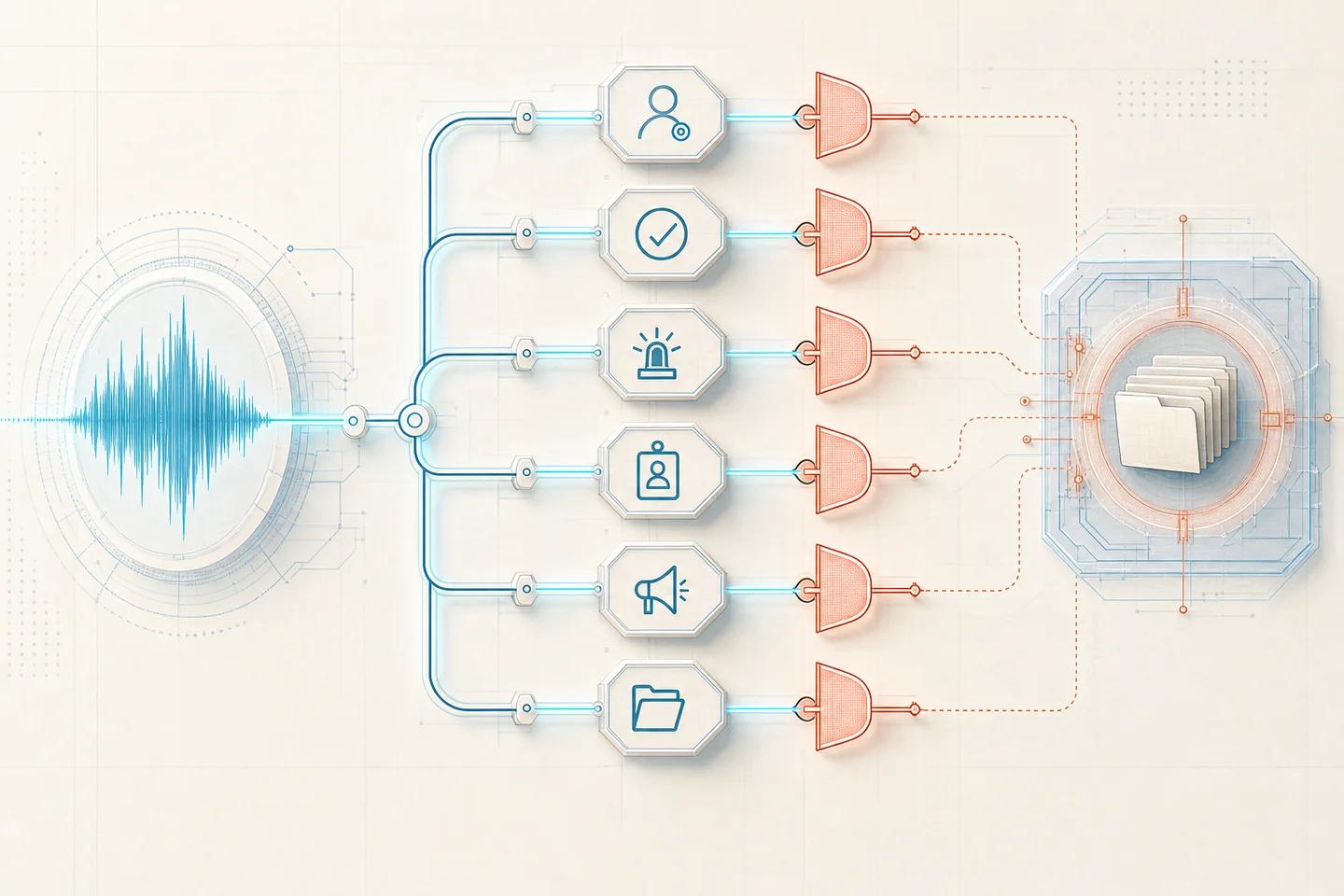
For checks that must happen inside a live workflow, NeuroVerify takes a face image, video or audio in one API call and returns one unified risk score with signal-level evidence from six signals, including Face Manipulation Detection and AI Generative Model Analysis. Eligible image requests return in under 200 ms at p95 under defined test conditions. On the public VendorBench-100 benchmark of 100 adversarial still images, including face swaps and avatar compositing, Neural Defend ranked first of 36 systems with an MCC of 0.876. For phone-channel impersonation, NeuroCall (Beta) adds voice deepfake detection.
Evidence boundary
Limitations
- This page is an educational summary of 16 CFR Part 461 and FTC announcements, not legal advice. Materiality, commerce and attribution depend on facts.
- The individual impersonation extension and the September 2026 platform inquiry are proposals; their final form, if any, may differ from what is described here.
- FTC loss figures are self-reported consumer losses and the case list reflects allegations; neither represents final judgments in every matter.
- Detection indicates likely manipulation in media; it cannot identify who made a deepfake or show that a representation was material.
Source record
Sources and references
- Electronic Code of Federal Regulations16 CFR Part 461, Rule on Impersonation of Government and BusinessesVerified October 19, 2026.
- Federal Trade CommissionFTC Proposes New Protections to Combat AI Impersonation of IndividualsPublished February 15, 2024. Verified October 19, 2026.
- Federal Trade CommissionFTC Highlights Actions to Protect Consumers from Impersonation ScamsPublished April 4, 2025. Verified October 19, 2026.
- Federal Trade CommissionFTC Seeks Public Comment on Whether to Update Rule on Impersonation of Government and Businesses to Address Platforms' RolePublished September 24, 2026. Verified October 19, 2026.
- Federal Trade CommissionImpersonation of Government and Businesses RuleVerified October 19, 2026.
- arXivVendorBench-100: A Unified Cross-Paradigm Benchmark for Deepfake Image DetectionPublished July 29, 2026. Verified October 19, 2026.