What Is a Deepfake?
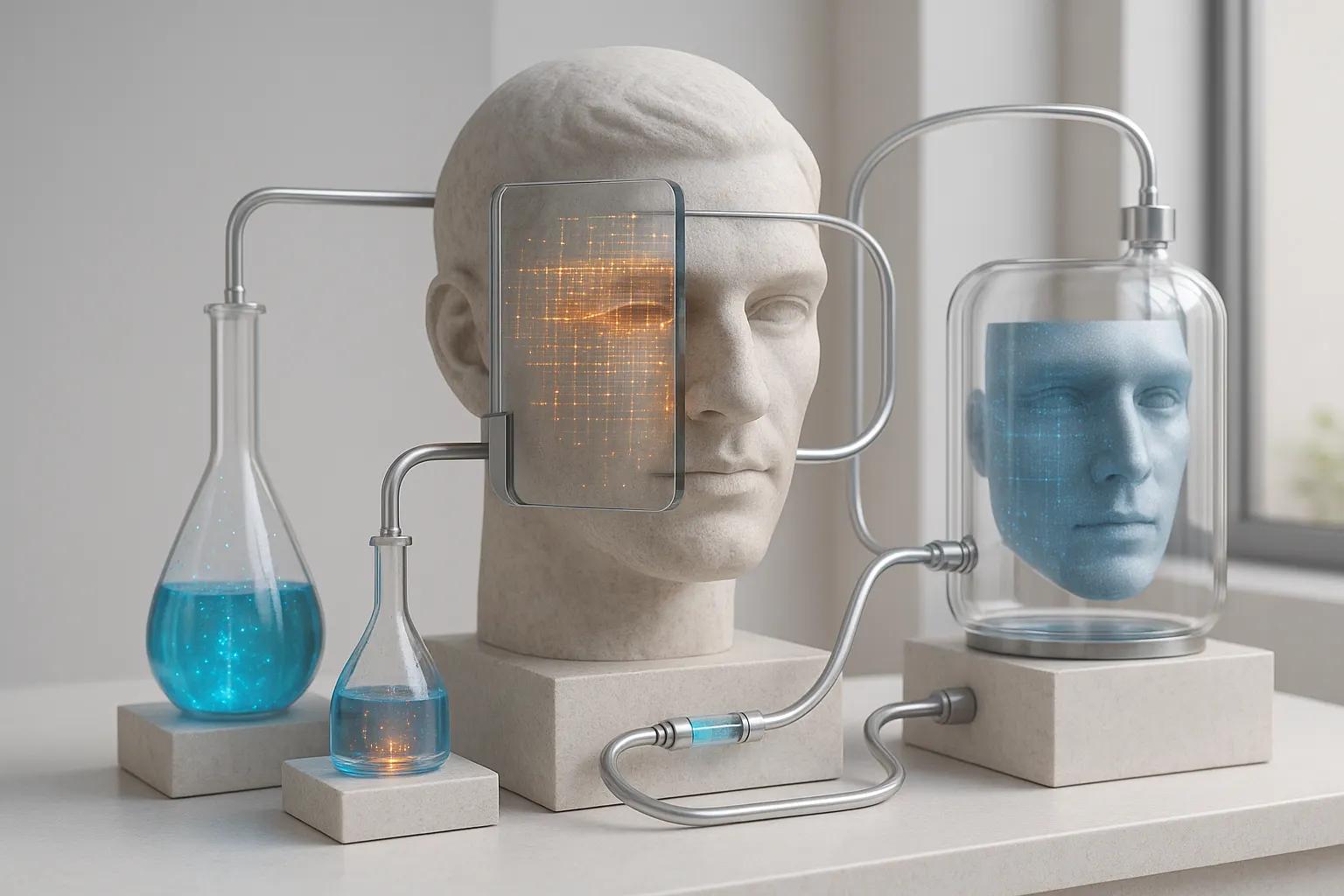
A deepfake is media made or changed with artificial intelligence so that it falsely appears to show something real. The word joins deep learning, the family of neural network methods used to make it, with fake. It can be a photo, a voice recording, a video or a combination of all three.
The most widely cited legal definition comes from the EU's Artificial Intelligence Act. Article 3(60) defines a deep fake as AI-generated or manipulated image, audio or video content that resembles existing persons, objects, places, entities or events and would falsely appear to a person to be authentic or truthful. The US Financial Crimes Enforcement Network uses a similar description in its November 2024 alert: synthetic content that uses AI and machine learning to create realistic but inauthentic videos, pictures, audio and text.
Both definitions turn on deception. A film that uses AI to de-age an actor, with credits saying so, uses deepfake techniques but is not trying to mislead anyone about reality. A video of a chief executive authorising a payment they never approved is a deepfake in the full sense, because its whole purpose is to be believed.

What Is a Deepfake? An Explainer on AI-Generated Media Types
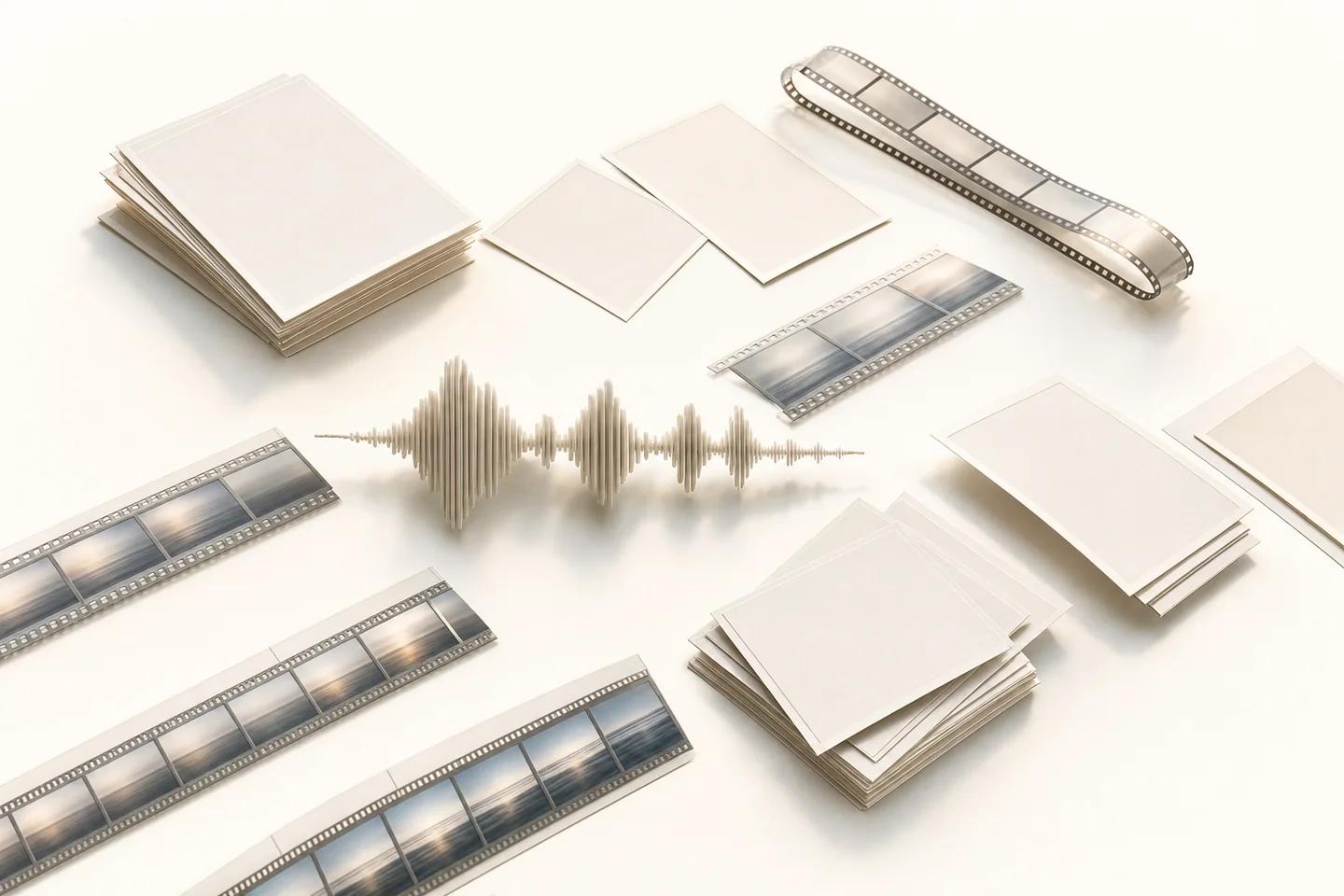
Deepfakes come in five common forms, and the differences matter because each one is made, misused and detected in a different way. The table below sets them side by side.
Real cases often combine forms. A scam video call might pair a face swap with a cloned voice, and a fake news clip might take genuine footage and replace only the audio. That is why a single real-or-fake label is often incomplete: the useful question is which part of the file was changed, and whether that change supports a false claim.
| Form | What changes | Where it shows up |
|---|---|---|
| Face swap | One person's face replaced with another's in a photo or video | Identity verification fraud, impersonation on video calls, non-consensual imagery |
| Reenactment and lip-sync | A real person's expressions or mouth movements driven to match new speech | Fake statements by public figures, scam endorsements |
| Full synthesis | A face, person or entire scene generated from nothing | Fake profiles, synthetic identities, fabricated news images |
| Voice cloning | Speech generated in a specific person's voice | Phone fraud, family emergency scams, contact centre account takeover |
| AI photo editing | Objects, damage or details added or removed in a real photo | Insurance and refund claims, fabricated evidence |

How Are Deepfakes Made?
Deepfakes are made by training a generative model on examples of the target, such as photos of a face or recordings of a voice, and then asking it to produce new content. Three model families do most of the work.
Generative adversarial networks, described by Ian Goodfellow and colleagues in a June 2014 paper, train two networks against each other: a generator that makes samples and a discriminator that tries to tell them from real data. Autoencoders compress faces into a shared representation and decode them as another identity, which is how many early face-swap tools worked. Diffusion models, behind most current image and video generators, learn to turn random noise step by step into a realistic picture.
The tools have become cheap and fast. Making a convincing face swap once required a powerful graphics card and hours of training; today consumer apps and open-source projects do it in minutes, and some run live on a video call. FinCEN's alert notes that generative AI has greatly reduced the resources needed to produce high-quality synthetic content.

How Is a Deepfake Different From Synthetic Media or a Cheapfake?
Synthetic media is the broad category: any content generated or substantially modified by computation, including openly labelled AI art, dubbing and avatars. A deepfake is synthetic media that imitates real people or events and could be taken as genuine. A cheapfake is the low-tech cousin: real footage slowed down, cut selectively or given a false caption, with no AI involved.
The distinction matters for what you check. A cheapfake passes every AI detector because nothing in it was generated, so the answer lies in source tracing and context. A deepfake may carry generation traces that forensic detection can find. A labelled synthetic video may carry a provenance record, such as C2PA Content Credentials, that tells you how it was made.

Which Deepfake Myths Should You Stop Believing?
Four beliefs cause the most bad decisions about deepfakes:
One more correction: most deepfake harm does not come from viral political videos. Fraud teams see it in onboarding selfies, payment calls and support lines, where the fake only has to convince one person for a few minutes.
- That you can spot them by looking closely. In iProov's February 2025 study of 2,000 UK and US adults, only 0.1% classified every real and fake image and video correctly, and people were 36% less likely to identify a fake video than a fake image.
- That detectors are solved. On Deepfake-Eval-2024, built from deepfakes circulating in 2024, open-source detectors lost about 45% to 50% of their AUC compared with earlier academic benchmarks; commercial tools did better but still trailed expert forensic analysts.
- That every deepfake is malicious. Dubbing, accessibility tools, disclosed film effects and research all use the same techniques; the EU AI Act's Article 50 handles these with transparency duties rather than bans.
- That a real recording cannot mislead. Genuine footage with a false caption or selective edit does as much damage as a fake, and no deepfake detector will flag it.

How Do You Check Whether Something Is a Deepfake?
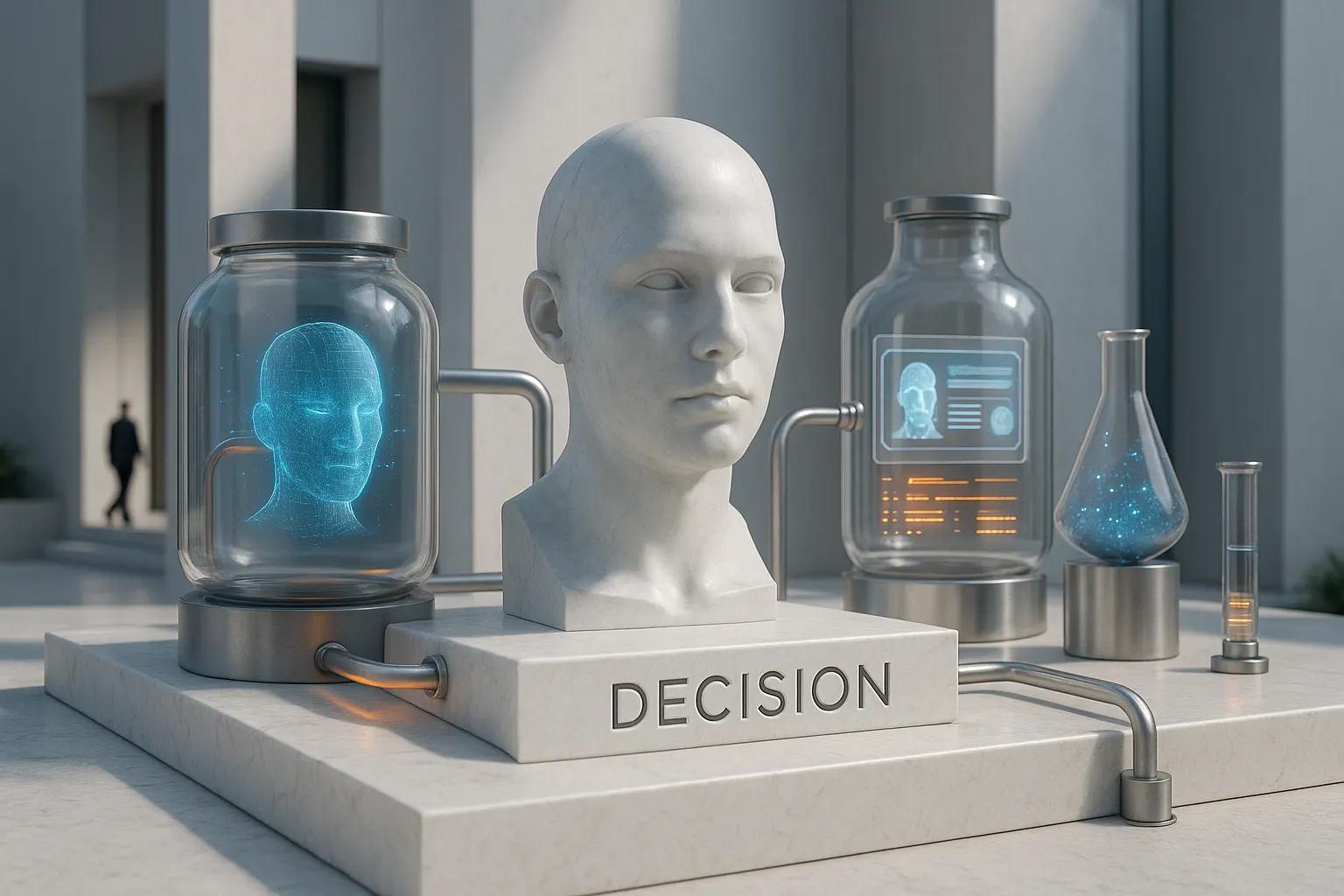
Start with what the media is being used to prove: an identity, an instruction, a statement, an event. Keep the best copy you can get, check where it came from and whether earlier versions exist, look for provenance data, and compare the claim with independent records. Forensic detection is one signal in that process, not the verdict.
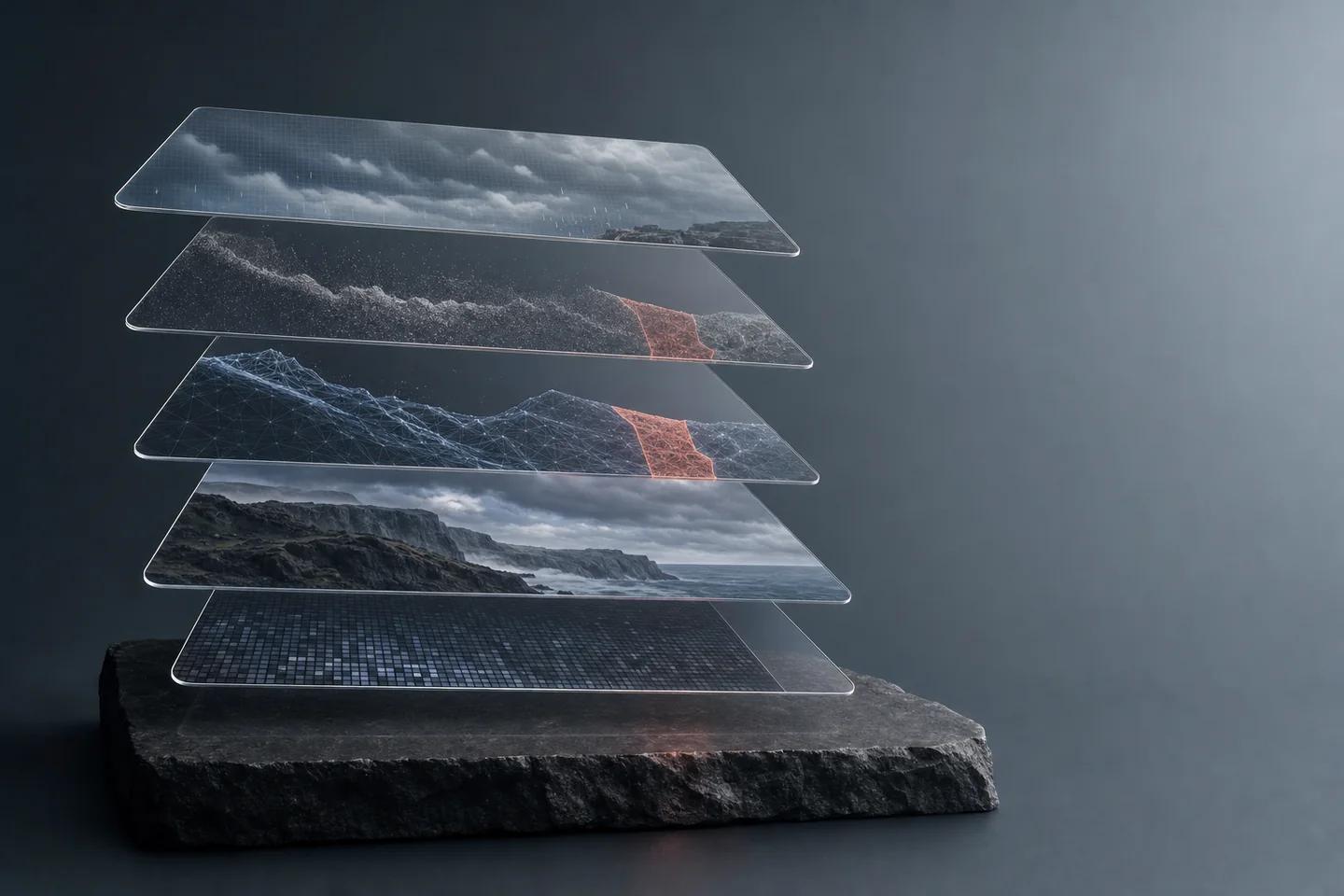
Neural Defend's NeuroDetect is a forensic workspace for that kind of review. An analyst uploads an authorised image, audio, video or document into a case and sees the original beside explainability heatmaps and attention views down to regions, frames and audio segments, with model and version recorded. An LLM-assisted summary links each finding to evidence, the analyst makes the final call, and the case exports as a forensic report. For checks inside apps and onboarding flows, NeuroVerify scores face images, video and audio in one API call across six signals. On the public VendorBench-100 benchmark of 100 adversarial still images, Neural Defend ranked first of 36 systems with an MCC of 0.876; one VendorBench author also co-wrote Neural Defend's ARCAS 1B paper.
Evidence boundary
Limitations
- Definitions of deepfake differ across laws, platforms and research; this page follows the EU AI Act and FinCEN wording.
- Detection results describe signs of generation or manipulation in a file; they do not identify the creator, prove intent or establish what happened.
- VendorBench-100 covers 100 still images and not video or audio, and one author also co-wrote the ARCAS 1B paper.
Source record
Sources and references
- EU Artificial Intelligence Act (unofficial consolidated text)Article 3: Definitions, point 60 (deep fake)Verified October 19, 2026.
- European CommissionTransparency obligations under Article 50 of the AI ActVerified August 7, 2026.
- Financial Crimes Enforcement NetworkFinCEN Alert on Fraud Schemes Involving Deepfake Media Targeting Financial Institutions (FIN-2024-Alert004)Published November 13, 2024. Verified October 19, 2026.
- arXivGenerative Adversarial Networks (Goodfellow et al.)Published June 10, 2014. Verified October 19, 2026.
- iProoviProov study reveals deepfake blindspot: only 0.1% of people can accurately detect AI-generated deepfakesPublished February 12, 2025. Verified October 19, 2026.
- arXivDeepfake-Eval-2024: A Multi-Modal In-the-Wild Benchmark of Deepfakes Circulated in 2024Published March 4, 2025. Verified October 19, 2026.
- arXivVendorBench-100: A Unified Cross-Paradigm Benchmark for Deepfake Image Detection (v2)Published July 29, 2026. Verified October 19, 2026.