Use the documented retry matrix
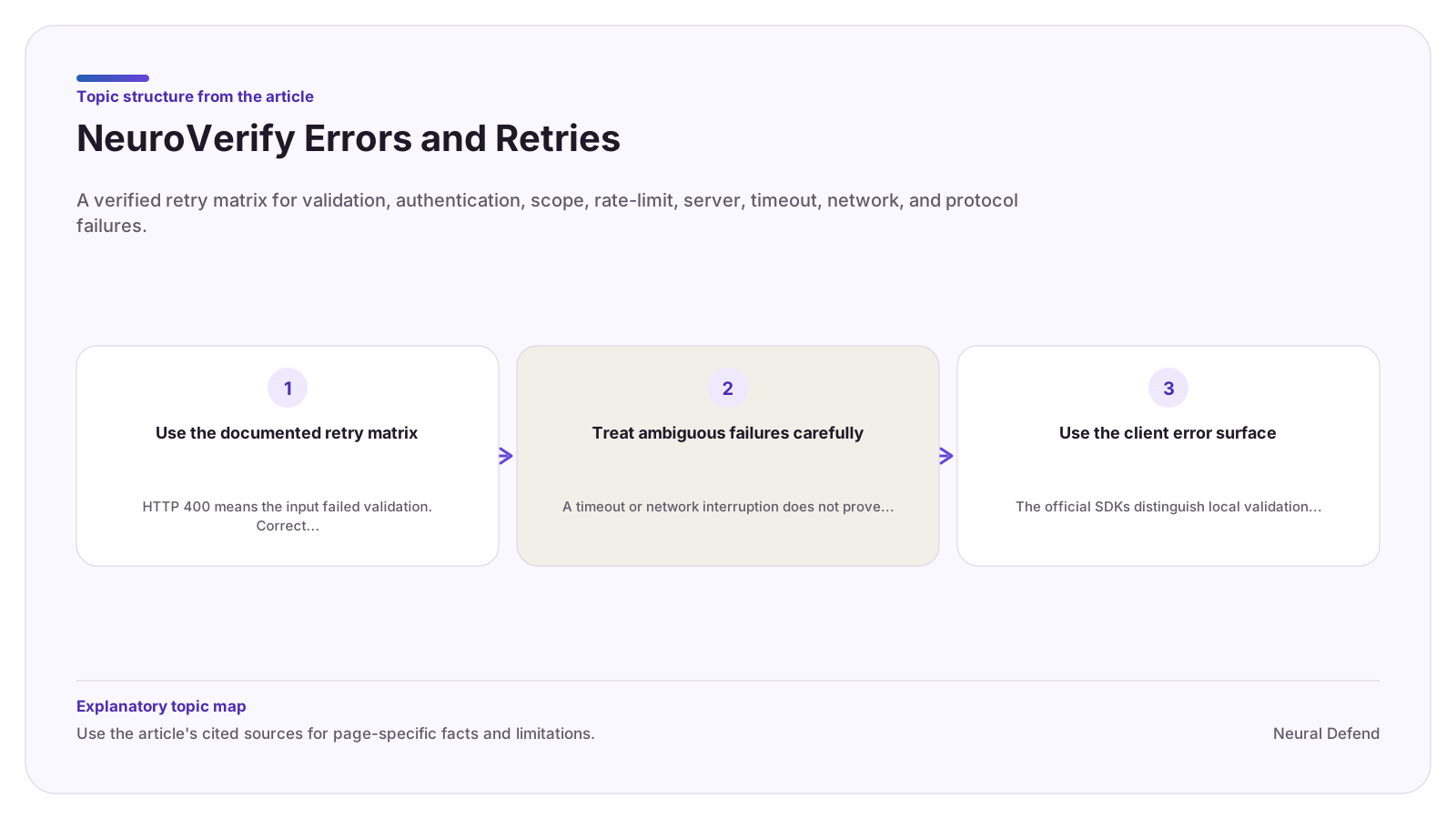
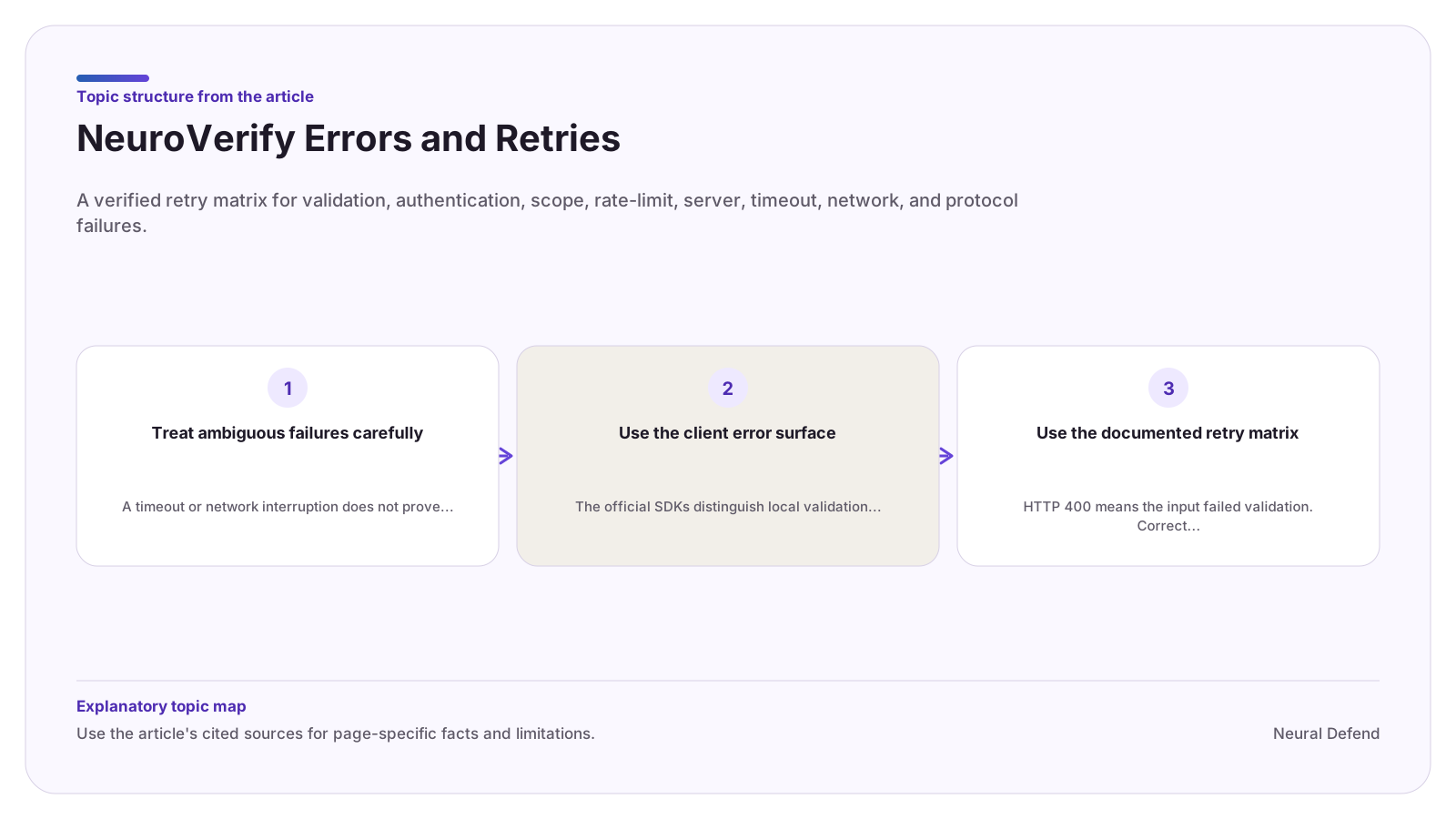
HTTP 400 means the input failed validation. Correct the media or request rather than resending it unchanged. HTTP 401 requires a valid key, while HTTP 403 requires the appropriate endpoint access. None of these conditions improve through immediate automatic retry.
HTTP 429 should honor Retry-After. HTTP 500 and 503 are the server responses designated for bounded backoff. The wire contract describes up to three retries for server failures; the SDK guides define their own attempt counts and caps.
Treat ambiguous failures carefully
A timeout or network interruption does not prove that the service failed to process the upload. The Python and TypeScript SDKs do not automatically retry those failures. Before a manual retry, consider duplicate billing and whether the business workflow can reconcile a late or unknown outcome.
A malformed or unexpected response is a protocol failure. Record the available request identifier, update the client if a compatible release exists, and do not reinterpret missing fields as a normal result.
Use the client error surface
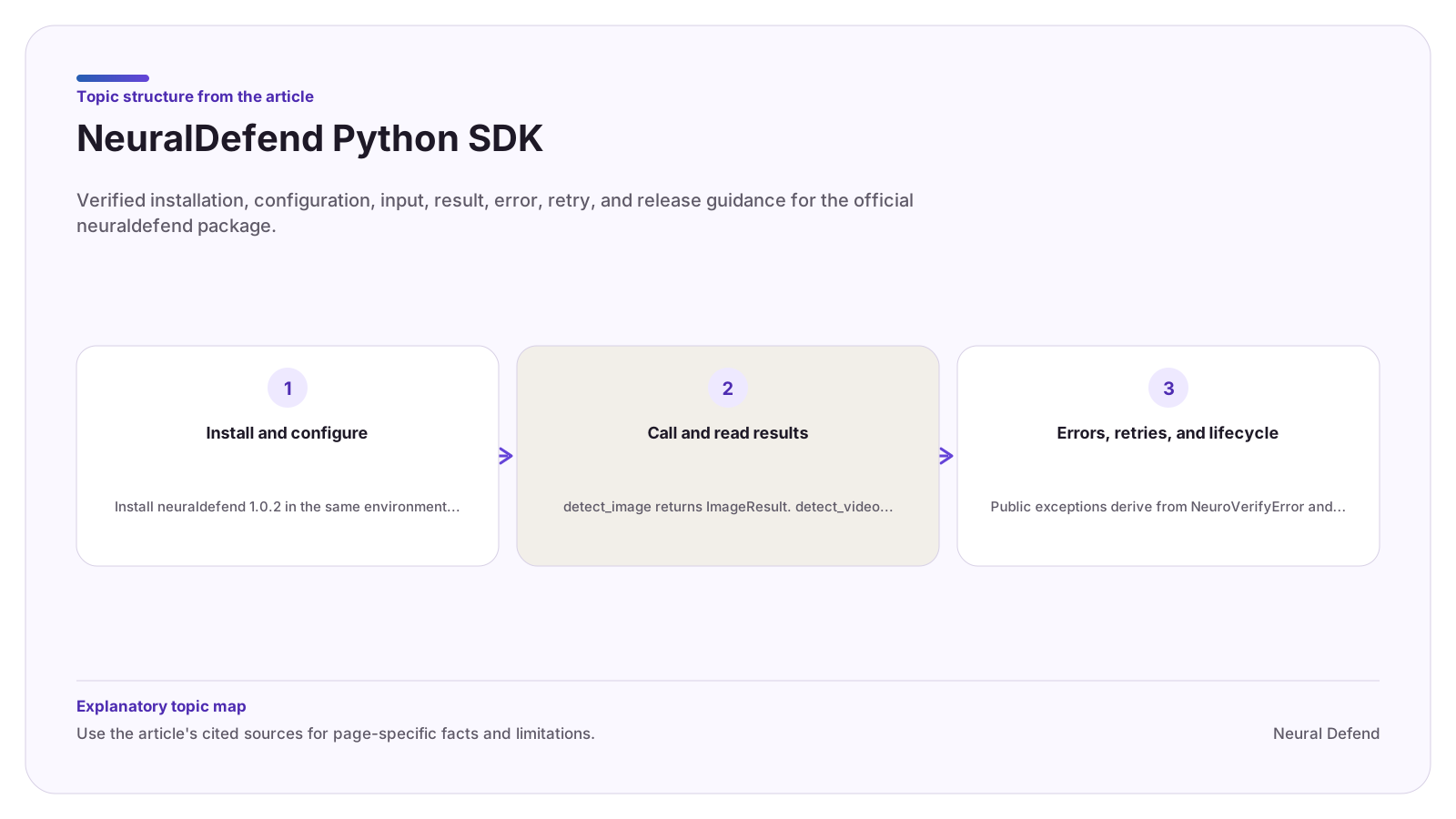
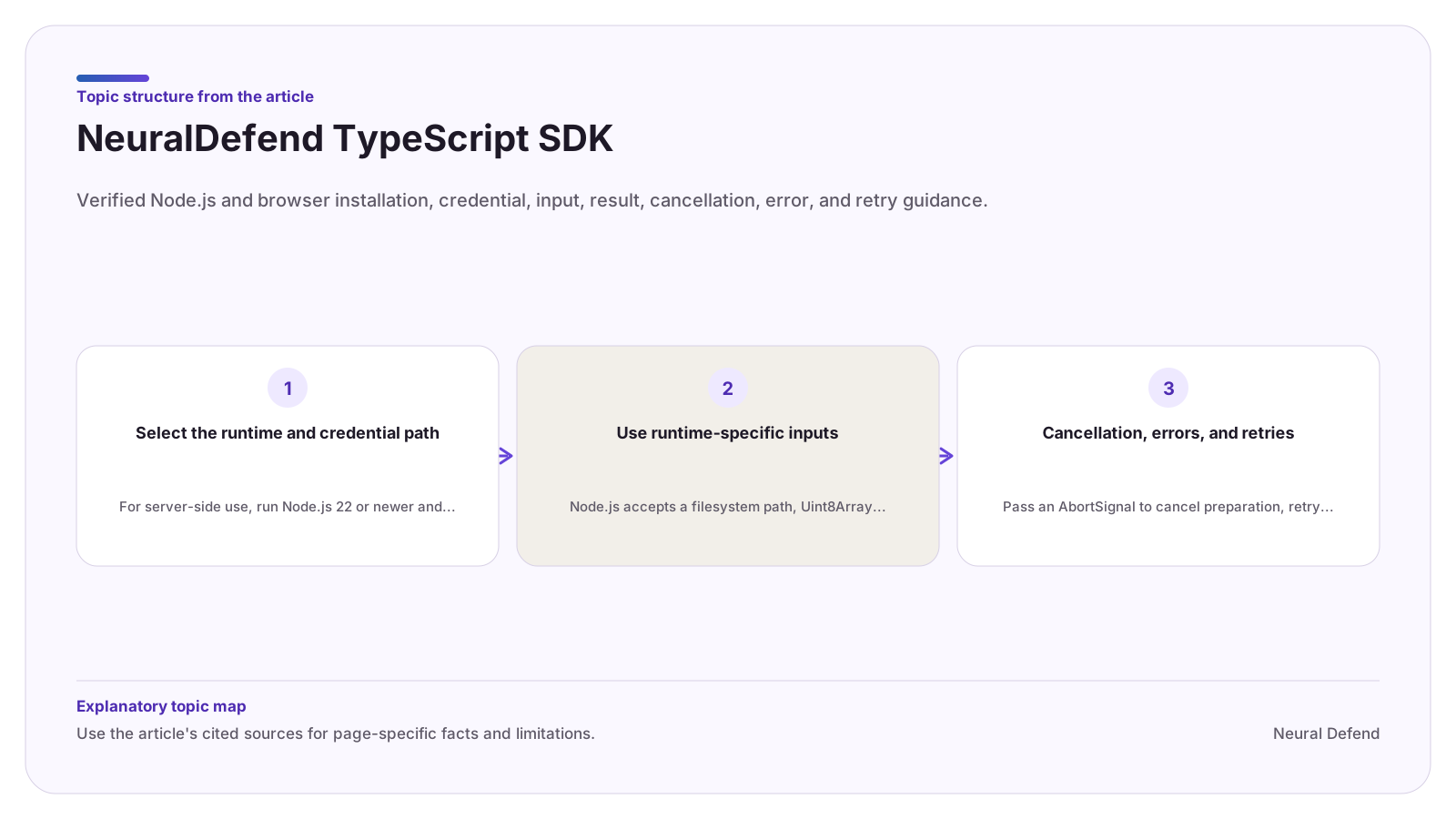
The official SDKs distinguish local validation, authentication, scope, rate-limit, server, timeout, network, protocol, and unclassified HTTP errors. The TypeScript client also distinguishes caller cancellation. Catch the most specific type before a general HTTP or base error.
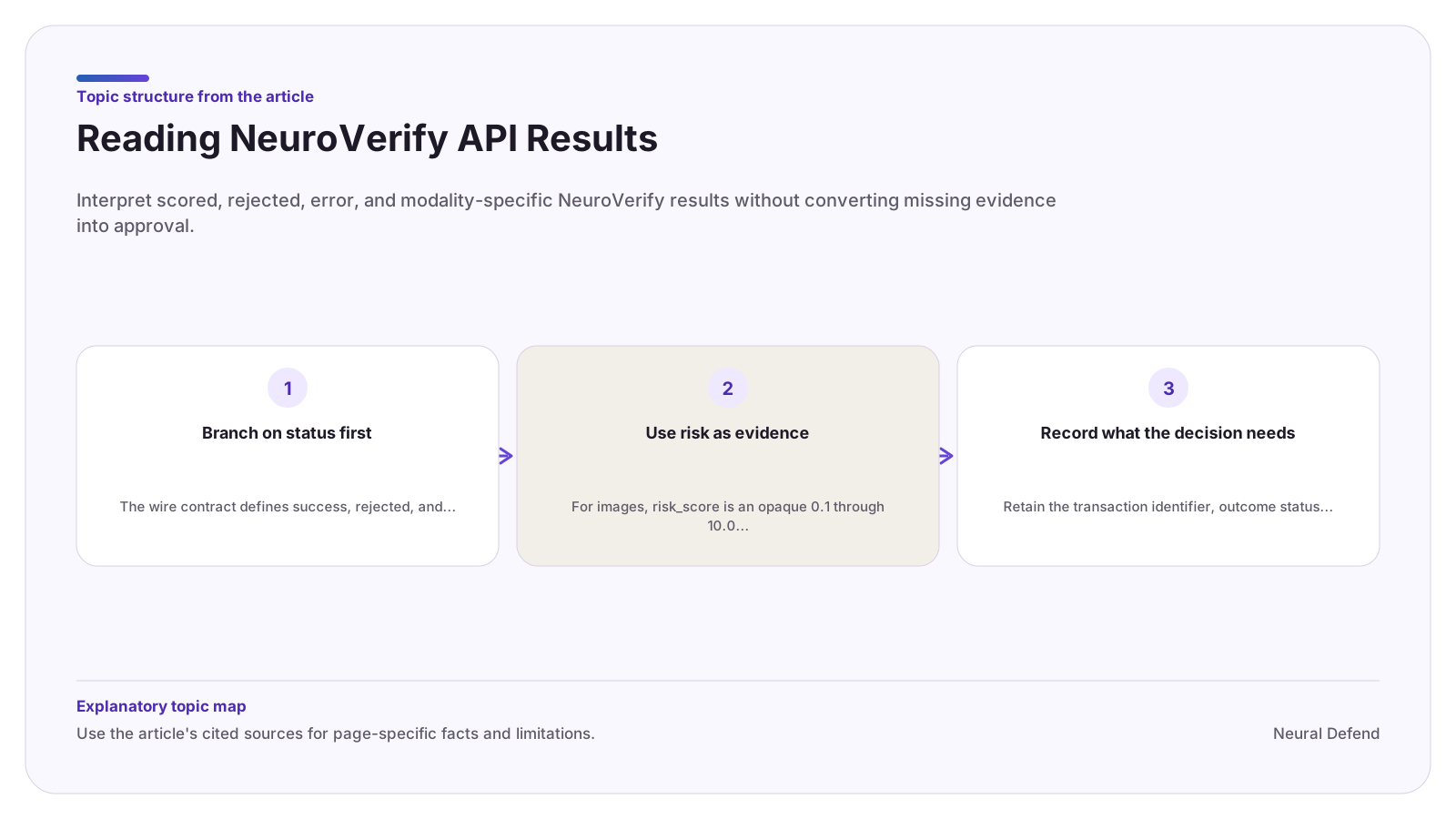
A service business rejection with the documented result envelope resolves as a result. Handle it through status and recovery messaging, not through a generic exception path.
Evidence boundary
Limitations
- This page does not define tenant-specific rate windows, Retry-After values, queueing policy, or a universal retry policy for application-level side effects.
Source record